

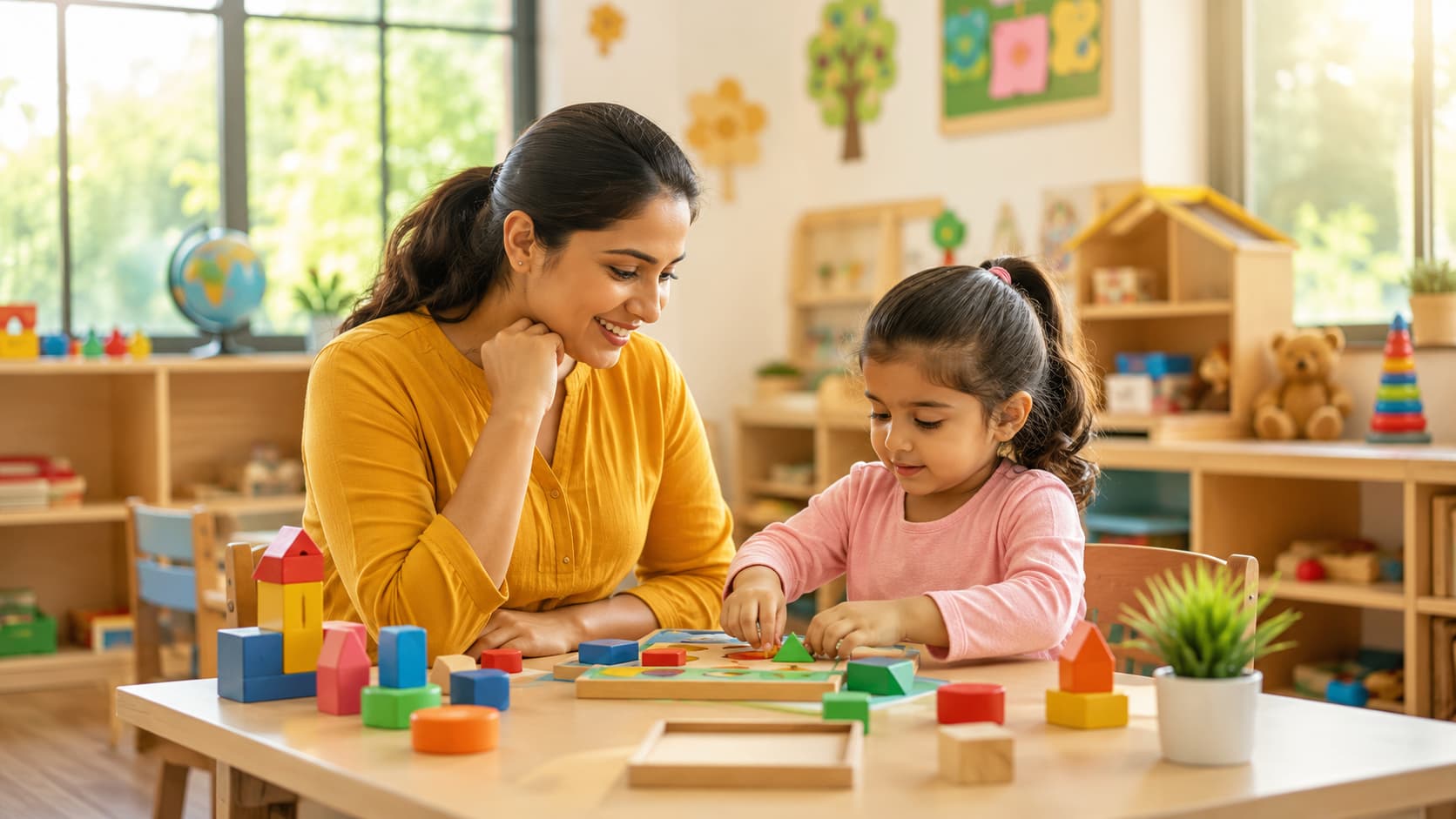
Choosing the right preschool is one of the most important decisions parents make during their child’s early years. The right learning environment shapes confidence, curiosity, communication skills, and a lifelong love for learning. This complete guide covers everything you need to know about preschool admissions, including admission timelines, school readiness, curriculum, safety, school visits, and the essential factors to consider before enrolling your child. You’ll also discover why Cherubs Montessori is a trusted choice for parents seeking quality early childhood education.
Why Preschool Admissions Matter More Than Ever
The preschool admissions process is more than securing a seat—it is about choosing the right foundation for your child’s future. A quality preschool nurtures social, emotional, cognitive, and physical development while encouraging independence, creativity, and confidence. Early childhood education prepares children for formal schooling and helps develop essential life skills through meaningful learning experiences.
When to Apply for Preschool
Knowing when to apply for preschool helps parents avoid last-minute stress and secure admission to their preferred school. If you’re unsure about the right age, read our guide on choosing the best age to start preschool. Depending on the program. Since admissions often begin several months before the academic year, planning early allows time for school visits, document preparation, and informed decision-making.
Signs Your Child Is Ready for Preschool
Understanding the signs your child is ready for preschool can make the transition smoother. Children who can communicate basic needs, interact with others, follow simple instructions, and spend short periods away from parents usually show strong preschool readiness signs and are prepared to begin their learning journey. Basic self-help skills like eating independently, washing hands, and expressing emotions also indicate preschool readiness.
How to Prepare Your Child for Preschool
Learning how to prepare your child for preschool starts at home. Establish consistent daily routines, encourage independence in dressing and eating, and introduce simple responsibilities. Practice short separations from parents, read books about starting school, and speak positively about the preschool experience to build excitement and confidence.
Preschool Visit Checklist
A well-planned preschool visit checklist helps parents evaluate a school’s learning environment. Observe classroom interactions, meet teachers, inspect cleanliness and hygiene, review learning materials, explore indoor and outdoor play areas, and ask about safety procedures. Pay attention to how teachers communicate with children and whether the environment feels warm, welcoming, and child-friendly.
Preschool Teaching Philosophies
Choosing the right learning philosophy is just as important as selecting the school itself. Understanding different preschool teaching philosophies, including Montessori vs traditional preschool, helps parents choose the right learning environment.
Montessori Education
The Montessori method encourages child-led learning through hands-on activities that help children build confidence and independence, and lifelong learning skills. Children learn at their own pace, develop independence, strengthen problem-solving skills, and build concentration while teachers act as guides rather than instructors.
Play-Based Learning
Play-based learning allows children to develop creativity, imagination, communication, and collaboration through structured and unstructured play. Activities encourage exploration, critical thinking, and social interaction while making learning enjoyable and meaningful.
Inquiry-Based Learning
Inquiry-based learning inspires children to ask questions, investigate ideas, and actively participate in discovering answers. This approach develops curiosity, confidence, analytical thinking, and a lifelong passion for learning through exploration and experimentation.
Preschool Curriculum
A balanced preschool curriculum supports academic growth while helping children develop essential life skills for everyday learning. It includes language and literacy, early numeracy, science exploration, creative arts, music, storytelling, physical activities, sensory experiences, and social-emotional learning. The best curriculum combines structured lessons with hands-on experiences that make learning engaging and age-appropriate.
Preschool Teacher Student Ratio
A healthy preschool teacher student ratio ensures every child receives individual attention and personalised support. Smaller class sizes allow teachers to monitor progress closely, maintain better supervision, encourage meaningful interactions, and build strong relationships that enhance learning and emotional well-being.
Preschool Safety and Hygiene
Strong preschool safety and hygiene standards, along with healthy eating habits, help children learn, grow, and stay active every day. Look for secure campus access, CCTV monitoring, sanitised classrooms, child-safe furniture, regular cleaning schedules, first-aid facilities, emergency preparedness plans, and trained staff who prioritise children’s health and safety every day.
Preschool Infrastructure
Modern preschool infrastructure plays an important role in children’s learning experiences. Spacious classrooms, well-equipped activity rooms, outdoor play spaces, sensory learning corners, child-friendly furniture, and age-appropriate educational resources encourage exploration, creativity, movement, and independent learning.
Parent School Communication
Effective parent school communication strengthens the partnership between families and educators. Regular parent-teacher meetings, digital communication apps, progress reports, classroom updates, and collaborative discussions ensure parents stay informed about their child’s learning journey and development.
Preschool Transition Support
Quality preschool transition support helps children adjust comfortably to a new environment. Orientation sessions, gradual settling-in programs, emotional encouragement, classroom familiarisation, and parent guidance reduce anxiety while helping children develop confidence and independence from the very beginning.
Preschool Location
The right preschool location offers convenience without compromising quality. Choose a school with a safe neighbourhood, easy accessibility, manageable commute, and secure transportation options. A nearby preschool also reduces travel fatigue and allows children to enjoy a healthier daily routine.
Preschool Admission Documents
Preparing preschool admission documents in advance speeds up the admission process. Most schools typically require:
- Birth Certificate
- Address Proof
- Passport-size Photographs
- Parent Identification
- Vaccination Record
- Medical Records (if required)
- Previous School Records (if applicable)
Keeping these documents ready ensures a smooth admission experience.
Questions to Ask When Choosing a Preschool
The right questions to ask when choosing a preschool can help parents make confident decisions.
Ask about:
- What teaching philosophy does the school follow?
- What does the daily routine include?
- What is the teacher-student ratio?
- How are safety and hygiene maintained?
- How are parents updated on their child’s progress?
- What extracurricular activities are offered?
- How does the school support new admissions?
- What qualifications and training do teachers have?
These questions provide valuable insight into the school’s quality and culture.
Why Choose Cherubs Montessori
At Cherubs Montessori, every child is encouraged to learn, explore, and grow in a nurturing environment designed around Montessori principles. Our Montessori-based curriculum promotes independence, creativity, and hands-on learning through carefully planned activities that support holistic development. Experienced educators provide personalised attention through a small teacher-student ratio, ensuring every child feels valued and supported. Our safe and hygienic campus, modern infrastructure, engaging learning spaces, and strong parent communication create a positive educational experience. With comprehensive preschool transition support, convenient accessibility, and a child-centred approach, Cherubs Montessori prepares children with the confidence, curiosity, and life skills needed for lifelong success.
Final Preschool Admission Checklist
Before completing your child’s admission, ensure you’ve covered every important step.
✔ Admission timeline checked
✔ Preschool visit completed
✔ Child’s readiness assessed
✔ Curriculum evaluated
✔ Teacher-student ratio reviewed
✔ Safety and hygiene inspected
✔ Documents prepared
✔ Parent questions answered
Choosing the right preschool becomes much easier when every detail has been carefully considered.
FAQs
What is the right age for preschool admission?
Most children begin preschool between 2 and 3 years of age, depending on the school’s admission criteria and the child’s developmental readiness.
When should parents apply for preschool?
Parents should ideally begin researching schools and applying six to twelve months before the academic session starts, as admissions often fill quickly.
What documents are required for preschool admission?
Common requirements include a birth certificate, address proof, passport-size photographs, vaccination records, parent identification, and medical records if requested by the school.
How do I know if my child is ready for preschool?
Children are generally ready when they can communicate basic needs, follow simple instructions, interact with peers, and manage small self-help tasks independently.
What should I look for during a preschool visit?
Observe classroom engagement, teacher interaction, safety measures, hygiene standards, learning resources, play areas, and the overall atmosphere of the school.
What is the ideal preschool teacher student ratio?
A smaller teacher-student ratio allows more personalised attention, stronger relationships, better supervision, and improved learning outcomes.
Why is preschool safety important?
A secure campus, trained staff, hygiene protocols, emergency preparedness, and child-friendly facilities ensure children learn in a safe, healthy, and supportive environment.
Why choose Cherubs Montessori?
Cherubs Montessori combines a child-centred Montessori curriculum, experienced educators, modern infrastructure, excellent safety standards, personalised attention, strong parent communication, and holistic development programs to give children the best possible start to their educational journey.