

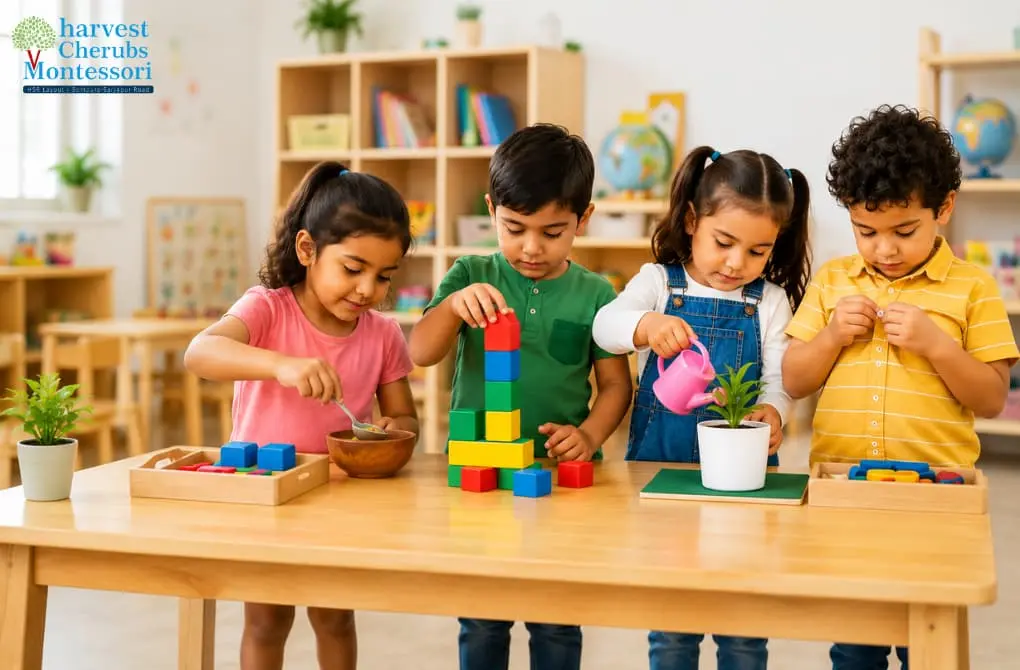
Some of the most important lessons children learn before kindergarten don’t come from worksheets or alphabet charts. They come from everyday moments — putting away toys, asking for help politely, sharing crayons, or figuring out how to calm down after a small meltdown.
These early habits shape confidence, independence, and emotional growth in ways many parents don’t realize at first. That’s why teaching practical life skills for preschoolers matters just as much as teaching numbers and letters.
Children between ages 3 and 5 are naturally curious and eager to imitate adults. It’s actually the perfect stage to introduce simple responsibilities and social behaviors that prepare them for school and daily life.
Why Preschool Life Skills Matter
Strong preschool life skills help children become more independent, emotionally aware, and socially comfortable. Kids who learn these skills early often adapt better in classrooms, communicate more clearly, and handle small challenges with less frustration.
A preschool teacher once shared how two children reacted very differently during snack time. One child became upset because he couldn’t open his lunchbox and immediately cried. Another calmly asked a teacher for help. That tiny difference came down to confidence and exposure to simple life routines at home.
The goal isn’t perfection. It’s helping children slowly build capability.
1. Communication Skills
Good communication is one of the most valuable communication skills for kids to develop early.
Preschoolers should learn how to:
- Express basic feelings
- Ask questions
- Use polite words
- Listen when others speak
- Explain simple needs clearly
Simple family conversations during meals can help more than formal teaching. Even asking, “What was your favorite part of today?” encourages children to organize thoughts and speak confidently.
2. Basic Self-Care Skills
Developing self care skills for preschoolers helps children feel capable and independent.
These skills include:
- Washing hands properly
- Brushing teeth
- Wearing shoes independently
- Using the toilet confidently
- Cleaning up after meals
Many parents rush through these tasks because mornings get hectic. But allowing children a few extra minutes to try on their own builds patience and self-trust over time.
3. Social Skills and Sharing
Strong social skills for preschoolers are essential once children begin interacting regularly with classmates and teachers.
Preschoolers should gradually learn:
- Taking turns
- Sharing toys
- Saying sorry
- Respecting personal space
- Playing cooperatively
Not every child naturally enjoys sharing right away, and that’s completely normal. Social development happens slowly through repeated interactions and gentle guidance.
4. Problem-Solving Skills
Simple problem solving skills for preschoolers teach children how to think instead of immediately depending on adults for every situation.
For example, if two kids want the same toy, parents can ask:
“What can we do so both of you get a turn?”
That small pause encourages critical thinking and emotional control.
Puzzle games, building blocks, and pretend play also support problem-solving naturally.
5. Emotional Regulation
Preschoolers experience big emotions, often very suddenly. Helping them identify feelings is an important part of healthy emotional development.
Children should learn to:
- Name emotions
- Calm themselves gradually
- Understand frustration
- Recognize when they feel upset
Simple phrases like “I’m feeling angry” or “I need a minute” can make a huge difference later in school environments.
Among all essential life skills for preschoolers, emotional control often impacts behavior the most.
6. Following Instructions
Listening and following simple directions are key preschool development skills that prepare children for classroom routines.
Start with easy instructions like:
- Put your shoes near the door
- Bring your water bottle
- Place books back on the shelf
Short, clear instructions work better than long explanations at this age.
7. Time and Routine Awareness
Preschoolers don’t understand time fully yet, but they can begin recognizing routines and sequences.
Morning schedules, bedtime habits, and cleanup routines help children feel secure and organized. Visual charts often work surprisingly well because preschoolers respond strongly to pictures and repetition.
Children who understand routines usually transition more smoothly between activities.
8. Decision-Making Skills
Allowing children to make small choices builds independence.
Simple options like:
- “Do you want the blue shirt or the yellow one?”
- “Would you like apples or bananas?”
These small decisions help children feel heard while learning responsibility.
It also reduces unnecessary power struggles at home.
9. Safety Awareness
Basic safety habits are important early life skills activities for preschoolers often overlook.
Children should know:
- Not talking to strangers
- Holding hands in crowded places
- Basic road safety
- What to do if lost
- Simple emergency contact information
Teaching safety calmly — not fearfully — helps children stay alert without becoming anxious.
10. Responsibility and Clean-Up Habits
Preschoolers are usually more capable than adults expect. Even simple chores create accountability.
Children can help with:
- Putting toys away
- Carrying small laundry items
- Watering plants
- Organizing books
One parent mentioned their four-year-old proudly reminding everyone to recycle bottles correctly. Small responsibilities can genuinely boost confidence.
Helpful Tips for Teaching Life Skills Naturally
Children learn best through repetition and observation. Long lectures rarely work at this age.
A few practical tips:
- Demonstrate tasks slowly
- Keep instructions simple
- Praise effort, not perfection
- Allow mistakes without criticism
- Turn routines into games when possible
Patience matters more than strictness.
Expert Insight on Early Skill Development
Child development specialists often emphasize that independence grows through consistent daily experiences, not pressure. Preschoolers don’t need advanced academic training all the time. They need opportunities to participate in real-life situations.
Teaching small practical habits early creates stronger long-term confidence than many parents realize.
Final Thoughts
Teaching life skills for preschoolers isn’t about making children grow up too fast. It’s about helping them feel secure, capable, and ready for everyday situations.
The small moments matter most — tying shoes together, learning how to ask politely, cleaning up toys after playtime, or figuring out how to solve a simple problem independently.
These early experiences quietly shape resilience, confidence, and emotional strength for years ahead.
FAQs
What are the most important life skills for preschoolers?
Some of the most important skills include communication, emotional regulation, sharing, problem-solving, self-care, and following instructions.
How can parents teach preschool life skills at home?
Parents can teach skills naturally through daily routines, simple responsibilities, role modeling, and interactive activities.
Why are social skills important for preschoolers?
Strong social skills help children build friendships, cooperate in classrooms, communicate effectively, and manage emotions better.
What are easy life skills activities for preschoolers?
Simple activities include sorting toys, setting the table, role-playing conversations, cleaning up, puzzle solving, and dressing independently.