

Ai Summary
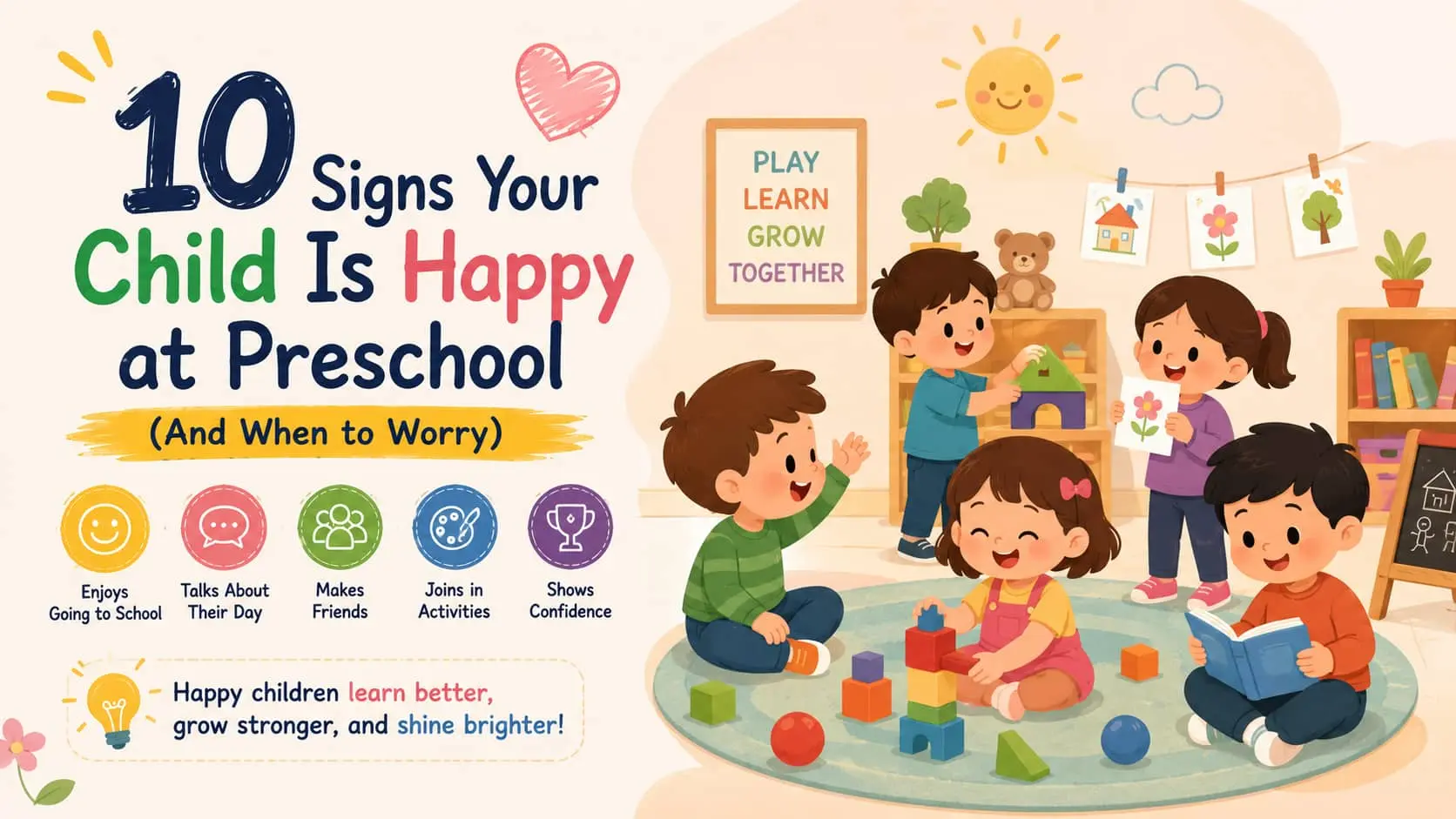
A child who is happy at preschool usually looks forward to attending, talks positively about their day, enjoys interacting with teachers and classmates, participates in classroom activities, and shows growing confidence and independence. While occasional reluctance or separation anxiety is normal, ongoing distress, withdrawal, or sudden behavioral changes may indicate that your child needs additional support.
Starting preschool is a major milestone for both children and parents. While it’s natural to wonder whether your little one is adjusting well, most children gradually become comfortable as they settle into a consistent routine and build trusting relationships with teachers and classmates. The challenge for many parents is knowing the difference between normal adjustment and genuine happiness.
If you’re wondering about the signs your child is happy at preschool, this guide will help you recognize positive behaviors, understand preschool adjustment, and identify situations that may need extra attention. Whether your child has just started preschool or has been attending for a few months, these practical insights will help you feel more confident about their early learning journey.
Why Your Child's Happiness at Preschool Matters
A child’s happiness at preschool is about much more than enjoying playtime. It reflects their emotional well-being, sense of security, and ability to learn in a positive environment. When children feel safe and valued, they are more willing to explore new ideas, develop friendships, communicate confidently, and build essential life skills.
During the preschool years, children experience rapid emotional, social, and cognitive development. Many of these important skills are developed through movement and active play. Learn why physical fitness plays a vital role in your child’s overall development in our guide, Why Physical Fitness Matters in Preschool.
For parents in Bangalore who are choosing an early childhood education program, observing your child’s emotional responses can be just as important as evaluating a school’s curriculum or facilities.
If you’re still deciding whether your child is ready to begin preschool, our guide on Is My Child Ready for Preschool? 15 Signs Parents Should Know can help you understand developmental readiness before enrollment.
Understanding Preschool Adjustment
Every child adjusts to preschool differently. Some children happily walk into the classroom from the very first day, while others may need several weeks before they feel comfortable. Temporary hesitation or tears at drop-off do not necessarily mean your child dislikes preschool.
Instead of focusing on isolated moments, parents should observe overall patterns over several weeks. A child who settles shortly after arrival, participates during the day, and returns home content is usually adjusting well—even if mornings are occasionally emotional.
The table below highlights the difference between a healthy adjustment period and signs that may require closer attention.
Healthy Preschool Adjustment | Possible Cause for Concern |
Initial separation anxiety that improves after drop-off | Distress lasting throughout the day for several weeks |
Gradually making friends | Persistent social withdrawal |
Participating more each week | Refusing all classroom activities |
Talking positively about school | Constantly expressing fear about preschool |
Growing independence | Regression in previously learned skills |
Understanding these differences helps parents respond with patience rather than unnecessary worry.
10 Signs Your Child Is Happy at Preschool
1. They Look Forward to Going to Preschool
One of the clearest signs your child enjoys preschool is genuine excitement before school. Your child may wake up eager to get dressed, ask when it’s time to leave, or remind you about a favorite activity or teacher.
Children who feel secure often develop positive associations with their preschool routine. Even if they occasionally resist waking up early, they usually become enthusiastic once the day begins.
Some children express this excitement by:
- Talking about upcoming classroom activities.
- Asking about friends they will see.
- Packing their school bag independently.
- Smiling while getting ready.
This enthusiasm usually develops gradually as preschool becomes a familiar and enjoyable part of daily life.
2. They Talk About Their Day at Home
Children who feel emotionally connected to their preschool experience often enjoy sharing stories after returning home. These conversations don’t need to be detailed—young children frequently communicate through simple observations or imaginative storytelling.
You might hear about:
- A painting they created.
- A new song they learned.
- A game they played.
- A funny classroom moment.
- A teacher who helped them.
Some children are naturally quieter than others, so don’t worry if your child doesn’t immediately describe every activity. Looking at artwork together or asking open-ended questions like, “What made you smile today?” often encourages more meaningful conversations.
3. They Have Positive Relationships with Teachers
Preschool teachers play a significant role in helping children feel safe, respected, and confident. When children trust their teachers, they are more likely to participate in classroom activities, ask questions, and develop emotional resilience.
Parents may notice that their child:
- Mentions teachers affectionately.
- Share stories involving classroom interactions.
- I enjoy greeting teachers each morning.
- Accepts comfort or guidance from teachers.
Wondering whether Montessori is the right learning approach for your child? Explore What Type of Kids Benefit from Montessori to understand which children thrive in a Montessori environment.
4. They Are Making Friends
Friendships are an important part of healthy social development during the preschool years. While every child has a different personality, most children who are settling into preschool gradually begin recognizing classmates, talking about them at home, or showing excitement about seeing them again.
Friendship at this age may look different from adult friendships. Children often bond through shared activities, imaginative play, building blocks, music, or outdoor games rather than long conversations.
Some encouraging preschool adjustment signs include:
- Mentioning classmates by name.
- Talking about shared games.
- Enjoying group activities.
- Learning to share and cooperate.
- Showing empathy toward other children.
Friendships are just one part of your child’s overall growth. Discover the 10 Essential Life Skills for Preschoolers Every Child Should Learn Early to see how preschool supports lifelong success.
5. They Participate in Classroom Activities
Children who feel happy and secure are generally curious about exploring new experiences. Whether they are painting, gardening, singing, solving puzzles, or participating in Montessori learning activities, active engagement shows they feel comfortable in the classroom environment.
Participation doesn’t always mean being the loudest child. Some children quietly observe before joining in, while others enthusiastically volunteer for every activity. Both approaches can reflect healthy classroom participation when children feel included and supported.
At Harvest Cherubs Montessori, children learn through hands-on activities that encourage curiosity, independence, creativity, and joyful exploration. Discover how Fun-Based Learning Helps Young Children Grow Faster and why play is such a powerful learning tool. This child-centered approach allows every learner to participate in ways that match their developmental stage rather than comparing themselves with others.
6. They Show Growing Independence
One of the strongest signs your child is adjusting well to preschool is increasing independence. Preschool encourages children to take small but meaningful responsibilities that build confidence over time. As they become familiar with their classroom routine, many children naturally begin doing more things on their own without constant reminders.
You may notice your child:
- Putting away their shoes or bag independently.
- Washing their hands without assistance.
- Tidying up toys after playtime.
- Choosing activities confidently.
- Attempting simple self-care tasks.
These small achievements reflect more than practical skills—they show that your child feels capable and secure in their environment. Montessori classrooms, in particular, encourage children to develop independence through hands-on, age-appropriate activities that foster self-confidence.
If you’d like to learn more about how independence develops during the preschool years, read How Montessori Builds Confidence and Independence in Children.
7. They Demonstrate New Skills at Home
A happy preschool experience doesn’t stay inside the classroom. Children often bring their learning home, eager to practice new songs, vocabulary, practical life skills, or creative activities with family members.
For example, your child may suddenly:
- Count objects while playing.
- Sing a new rhyme.
- Help set the dining table.
- Sort toys by colour or size.
- Use new words they’ve learned at school.
These moments show that your child is actively engaged in learning rather than simply attending preschool. They also demonstrate growing confidence in applying new knowledge in everyday life.
Learning through play remains one of the most effective ways young children develop cognitive, language, and motor skills. When children voluntarily repeat these experiences at home, it often reflects genuine enjoyment of their preschool environment.
8. Their Confidence Continues to Grow
Children who enjoy preschool gradually become more willing to try unfamiliar experiences. Confidence doesn’t mean never feeling nervous—it means developing the courage to explore despite occasional uncertainty.
Over time, you may observe your child:
- Speaking more confidently with adults.
- Answering simple questions independently.
- Trying new classroom activities.
- Expressing their ideas more openly.
- Solving small problems without frustration.
Confidence develops gradually through consistent encouragement, positive reinforcement, and opportunities for independent decision-making.
At Harvest Cherubs Montessori, confidence is nurtured through carefully designed learning experiences that allow children to experience success at their own pace rather than through competition.
You can also explore How Children Grow in Confidence at Harvest Cherubs Montessori to understand how supportive learning environments encourage healthy emotional growth.
9. Their Teacher Shares Positive Feedback
Parents often focus on what they observe at home, but teachers provide valuable insights into how children behave during the school day. Regular communication between parents and educators creates a more complete picture of your child’s preschool experience.
Positive feedback may include comments such as:
- Your child participates enthusiastically in activities.
- They interact well with classmates.
- They are becoming more independent.
- They follow routines comfortably.
- They show curiosity during learning experiences.
Keep in mind that no child has a perfect day every day. Preschoolers naturally have moments of frustration, tiredness, or conflict. What matters is the overall pattern of growth rather than isolated incidents.
Strong parent-teacher communication helps identify both strengths and areas where children may benefit from additional support.
10. They Return Home Calm and Content
One of the most reassuring preschool adjustment signs is your child’s overall emotional state after school. While preschool can be physically and mentally tiring, happy children generally return home feeling satisfied rather than consistently distressed.
Your child may appear pleasantly tired after a busy day of learning, socialising, and outdoor play. This is very different from ongoing anxiety, fear, or emotional exhaustion.
Positive after-school behaviours often include:
- Sharing stories about the day.
- Eating well.
- Playing normally at home.
- Sleeping according to their usual routine.
- Looking forward to returning the next day.
These behaviours suggest that your child feels emotionally secure and enjoys their preschool experience.
When Should Parents Be Concerned?
Every child has occasional difficult days, especially during the first few weeks of preschool. However, some behaviours may indicate that your child needs additional support or that something in the environment isn’t working well for them.
The following table can help parents distinguish between common adjustment behaviours and signs that deserve further attention.
Usually Normal | Worth Discussing with the Preschool |
Tears during drop-off that stop quickly | Crying throughout the school day for several weeks |
Missing parents occasionally | Constant fear or refusal to attend preschool |
Feeling tired after school | Frequent emotional meltdowns after every school day |
Needing time to make friends | Complete social withdrawal over an extended period |
Minor changes in routine | Persistent sleep, eating, or behavioural changes |
If you’re still deciding whether your child is emotionally and developmentally ready to begin preschool, read What Is the Best Age for a Child to Start Preschool? to understand the signs of readiness.
How Parents Can Support a Happy Preschool Experience
Parents play an important role in helping children feel confident and secure throughout their preschool journey. Consistency between home and school provides children with the reassurance they need during periods of adjustment.
Some practical ways to support your child include:
- Maintain consistent morning and bedtime routines.
- Speak positively about preschool.
- Avoid lengthy or emotional goodbyes during drop-off.
- Encourage independence through simple daily tasks.
- Celebrate small achievements instead of expecting perfection.
- Communicate regularly with teachers about your child’s progress.
Most importantly, listen carefully to your child’s feelings without immediately trying to solve every concern. Sometimes children simply need reassurance that their emotions are understood.
If your child is still preparing to start preschool, our guide on What Is the Best Age for a Child to Start Preschool? explains how developmental readiness influences a smoother transition.
Common Mistakes Parents Should Avoid
Parents naturally want the best for their children, but some well-intentioned actions can unintentionally make the adjustment period more difficult.
Avoid these common mistakes:
- Comparing your child with siblings or classmates.
- Expecting instant happiness during the first week.
- Extending emotional goodbyes every morning.
- Questioning your child repeatedly about every detail of their day.
- Assuming occasional tears mean preschool is a poor fit.
Instead, focus on long-term progress rather than daily ups and downs. Most children need time to build trust, confidence, and familiarity before they truly feel at home in a new learning environment.
Expert Tips from Early Childhood Educators
Experienced preschool educators know that every child’s adjustment journey is unique. Rather than looking for a single “perfect” sign, they observe patterns of emotional, social, and developmental growth over time.
A few practical recommendations include:
- Give your child several weeks to adapt before drawing conclusions.
- Build a trusting relationship with your child’s teachers.
- Encourage independence at home through age-appropriate responsibilities.
- Celebrate effort rather than only achievements.
- Remember that confidence develops gradually through positive experiences.
Children thrive when parents and educators work together as partners. Open communication and patience often make the biggest difference during the preschool years.
Conclusion
Watching your child begin preschool can be both exciting and emotional. While it’s natural to wonder, “How do I know if my child is happy at preschool?”, the answer usually lies in observing consistent patterns rather than isolated moments.
Children who enjoy preschool often look forward to attending, build positive relationships with teachers and classmates, participate in classroom activities, grow in confidence, and bring their learning home. At the same time, occasional separation anxiety or difficult mornings are a normal part of adjusting to a new routine.
If concerns persist, don’t hesitate to speak with your child’s teacher. A supportive preschool and strong parent-teacher partnership can help address challenges early and create a positive learning experience.
At Harvest Cherubs Montessori, we believe every child deserves a nurturing environment where they feel safe, valued, and inspired to learn. By encouraging curiosity, independence, and meaningful relationships, we help children build a strong foundation for lifelong learning and emotional well-being.
FAQs
How do I know if my child is happy at preschool?
A child who is happy at preschool generally enjoys attending, talks positively about their day, participates in classroom activities, and forms positive relationships with teachers and classmates. They also begin showing greater confidence and independence both at school and at home.
Is it normal for my child to cry during preschool drop-off?
Yes. Many children experience separation anxiety when they first start preschool. If your child settles shortly after you leave and gradually becomes more comfortable over the following weeks, this is usually a normal part of the adjustment process.
How long does it take for a child to adjust to preschool?
Every child is different. Some adjust within a few days, while others may take several weeks. Factors such as temperament, previous childcare experience, and the preschool environment all influence how quickly a child settles into a new routine.
What if my child doesn't talk about preschool?
Not all preschoolers communicate their experiences in the same way. Some children prefer to process their day quietly. Instead of asking many direct questions, try discussing artwork they bring home, reading together, or asking simple open-ended questions like, “What made you smile today?”
When should I worry about my child's preschool experience?
You should speak with your child’s teacher if your child consistently refuses to attend preschool, remains distressed throughout the day for several weeks, withdraws from social interaction, or shows ongoing changes in sleep, appetite, or behaviour. Early communication often helps identify and resolve concerns.
Can Montessori help children adjust more easily to preschool?
Many children benefit from Montessori classrooms because they offer predictable routines, hands-on learning, mixed-age interactions, and opportunities to develop independence at their own pace. A calm, child-centred environment can help children feel secure as they adjust to preschool.
How can parents support their child's happiness at preschool?
Parents can support a positive preschool experience by maintaining consistent routines, encouraging independence, speaking positively about school, and building strong communication with teachers. Patience and reassurance are especially important during the first few weeks.