

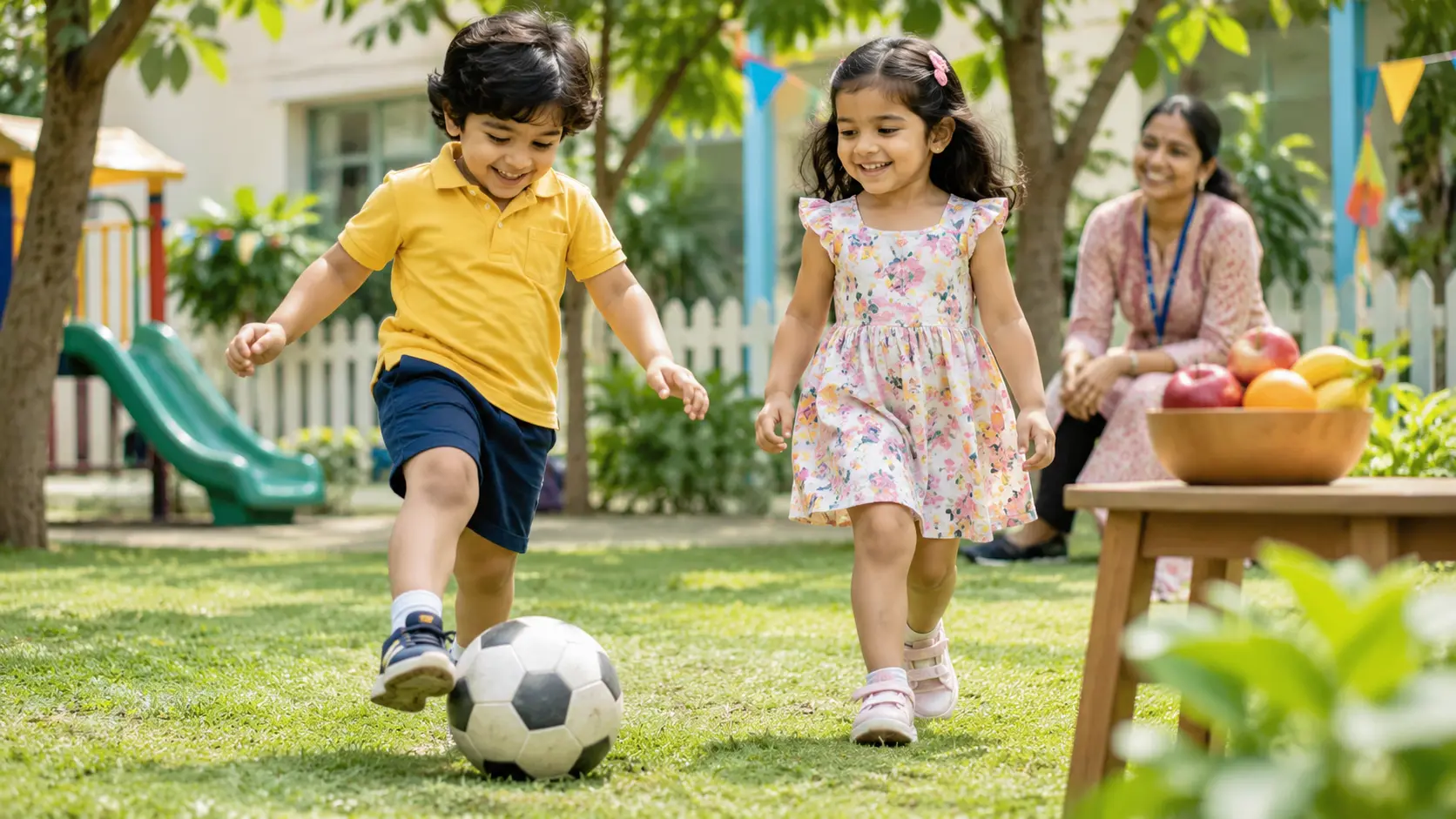
Every parent wants their child to grow up healthy, active and happy. But questions about a child’s weight, eating habits and growth are common, especially during the preschool years. Is your child gaining enough weight? Are they eating the right foods? How can you tell whether they are growing as expected?
A healthy weight in children depends on their age, height, sex and individual growth pattern. Parents can support healthy growth by providing balanced meals, encouraging active play, maintaining good sleep routines and monitoring their child’s development with guidance from a paediatrician.
Understanding children’s nutritional needs and everyday habits can help parents make informed decisions without worrying about every change on the weighing scale.
Here are seven important things every parent should know about maintaining a healthy weight in children.
1. What Is a Healthy Weight for Children?
A healthy weight for children is a weight that supports their physical growth, development and overall wellbeing. It varies according to age, height, sex and individual growth patterns.
Two children of the same age may have different healthy weights because they have different heights, body builds and developmental patterns.
Paediatricians assess children’s growth using measurements such as:
- Weight-for-age
- Height-for-age
- Weight-for-height
- Body Mass Index (BMI)-for-age
- Changes in growth measurements over time
For preschool children, a single weight measurement is not enough to determine whether a child is growing healthily. Healthcare professionals consider multiple measurements and compare them with appropriate growth standards.
Parents should remember that a child looking thin or chubby does not automatically indicate whether they are healthy.
2. How Can Parents Check If Their Child Has a Healthy Weight?
Parents can check their child’s growth by monitoring height and weight and discussing the measurements with a paediatrician. Healthcare professionals use age-appropriate growth charts to understand whether children are growing as expected.
What Are Growth Charts and How Do They Work?
Growth charts are tools that compare a child’s height and weight with reference measurements for children of the same age and sex.
They help healthcare professionals identify growth patterns and understand whether a child’s development needs further assessment.
A growth percentile shows how a child’s measurement compares with the reference population. For example, the 50th percentile means approximately half of the reference population has a lower measurement and half has a higher measurement.
A higher percentile does not automatically mean better health. What matters is the child’s overall growth pattern and whether measurements are changing as expected.
Which Growth Charts Should Parents Use?
The World Health Organization (WHO) provides Child Growth Standards for children from birth to five years. For older children, WHO provides growth references for ages 5–19 years.
Indian parents can also ask their paediatrician about the Indian Academy of Pediatrics (IAP) growth charts.
These references help professionals assess different measurements, including weight-for-age, height-for-age and BMI-for-age.
Important: Children’s BMI is different from adult BMI. It must be interpreted using age- and sex-specific growth references rather than adult weight categories.
3. Seven Important Things Parents Should Know About Healthy Weight in Children
1. Every Child Has a Different Growth Pattern
Children do not all grow at the same speed. Some experience rapid growth during certain stages, while others grow more gradually.
Genetics, nutrition, sleep, physical activity and overall health can influence a child’s growth.
A child who is smaller than classmates is not necessarily underweight. Similarly, a child with a larger body build is not automatically overweight.
Instead of comparing children, parents should focus on their individual development and attend regular health check-ups.
2. Balanced Nutrition Is Essential for Healthy Growth
A balanced diet provides the nutrients children need for healthy bones, muscles, brain development and overall wellbeing.
Healthy food for preschoolers should include a variety of food groups:
- Whole grains: Rice, chapati, oats, ragi, millets and other whole grains.
- Protein-rich foods: Dal, beans, chickpeas, eggs, paneer, fish and lean meat.
- Fruits and vegetables: Bananas, apples, papaya, carrots, spinach and seasonal vegetables.
- Dairy foods: Milk, curd and other suitable calcium-rich foods.
- Healthy fats: Nuts, seeds and suitable vegetable oils, prepared safely according to the child’s age.
Indian foods such as idli with sambar, vegetable dosa, dal khichdi, curd rice, chapati with paneer and vegetable upma can be part of a nutritious eating pattern.
Parents should offer different foods rather than depending on just a few favourite meals.
3. Healthy Eating Habits Start During Preschool Years
Preschool years are an important time for developing healthy eating habits. Children begin exploring different tastes, textures and food preferences.
Some children may enjoy exploring different foods, while others may become picky eaters. Simple preschool activities at home can help children develop independence and participate in everyday routines.
Parents can encourage healthy eating habits by:
- Offering different nutritious foods regularly.
- Maintaining consistent meal and snack timings.
- Avoiding pressure to finish every item on the plate.
- Encouraging children to try unfamiliar foods patiently.
- Eating meals together as a family.
- Allowing children to recognise hunger and fullness.
Avoid forcing, bribing or punishing children over food. If a child consistently refuses many foods or has concerns about growth, consult a paediatrician.
4. Healthy Snacks Help Meet Children’s Nutritional Needs
Healthy snacks for toddlers and preschoolers can provide additional nutrients between main meals.
Instead of relying on biscuits, chips, sweets and packaged snacks, parents can offer simple homemade options.
Some healthy snack ideas include:
- Banana or other seasonal fruit.
- Homemade vegetable idli.
- Steamed sweet potato.
- Plain curd with fruit.
- Soft vegetable upma.
- Roasted chana in an age-appropriate form.
- Homemade vegetable dosa.
- Softly cooked vegetables with suitable protein foods.
Water should be the everyday drink of choice. Limit sugary drinks and avoid making packaged fruit drinks a regular substitute for whole fruit.
For younger children, always prepare food in age-appropriate forms to reduce choking risks. Whole nuts and hard, round foods can be choking hazards.
5. Physical Activities for Preschoolers Support Healthy Development
Physical activity supports children’s physical development, coordination and muscle strength. Understanding why physical fitness matters in preschool can help parents encourage active habits from an early age.
Preschool children do not need formal exercise routines. Everyday activities can help them stay active and develop important movement skills.
Some enjoyable physical activities for preschoolers include:
- Running and jumping.
- Dancing to music.
- Playing with balls.
- Cycling with age-appropriate equipment.
- Climbing on safe playground structures.
- Outdoor games.
- Walking and exploring nature.
According to WHO recommendations, children aged 3–4 years should get at least 180 minutes of physical activity throughout the day, including at least 60 minutes of moderate-to-vigorous activity.
Make movement enjoyable rather than presenting exercise as a way to lose weight. Regular outdoor play gives children opportunities to explore, move and develop physical skills.
6. Sleep and Screen Time Affect Children’s Daily Habits
Good sleep supports children’s growth, learning and emotional wellbeing. Establishing healthy sleep habits for preschool children can help parents create consistent bedtime routines.
Children aged 3–4 years generally need 10–13 hours of sleep in 24 hours, including naps where appropriate.
Parents can encourage healthy sleep habits by:
- Maintaining regular bedtimes.
- Following a calming bedtime routine.
- Creating a comfortable sleeping environment.
- Avoiding stimulating screen activities before bedtime.
Screen time for preschoolers also needs attention because excessive use can reduce opportunities for active play, sleep and social interaction. Learn more about the effects of screen time on preschoolers. WHO recommends limiting sedentary recreational screen time to no more than one hour daily for children aged 2–4 years, with less being better.
Encourage children to spend more time playing outdoors, reading picture books, drawing, exploring and interacting with family members.
7. Parents and Preschools Play an Important Role in Healthy Habits
Children learn by observing the people around them. Family routines and preschool experiences can influence their eating habits, physical activity and social development while helping them develop essential life skills for preschoolers.
Parents can encourage healthy habits at home by preparing balanced meals, eating together and making outdoor play part of everyday life.
Preschools can support children’s overall development by providing opportunities for active play, social interaction, creative activities and age-appropriate learning experiences.
At Cherubs Montessori, parents can value the importance of a supportive early-learning environment where children have opportunities to explore, interact and develop healthy everyday habits.
4. What Are the Signs That a Child’s Growth Needs Attention?
Parents should pay attention to persistent changes in their child’s weight, appetite, eating behaviour and development.
Some signs that may require professional assessment include:
- Consistent or unexplained weight loss.
- Not gaining weight or growing as expected.
- Sudden and significant changes in appetite.
- Persistent refusal of food or a very limited diet.
- Unusual tiredness or reduced activity.
- Difficulty chewing or swallowing.
- Ongoing vomiting or diarrhoea.
These signs do not necessarily indicate a serious health problem. However, a paediatrician can assess the child’s growth and determine whether further evaluation is needed.
Avoid starting weight-gain products, restrictive diets or supplements without medical advice.
5. Common Myths About Healthy Weight in Children
Myth 1: A chubby child is always healthy.
Fact: A child’s appearance alone cannot determine their health. Growth measurements and overall development are more useful.
Myth 2: Children must finish everything on their plates.
Fact: Children have different appetites. Respecting hunger and fullness cues helps develop a positive relationship with food.
Myth 3: Healthy food is expensive.
Fact: Everyday Indian foods such as dal, seasonal fruits, vegetables, eggs, curd and millets can provide important nutrients.
Myth 4: Active children can eat unlimited junk food.
Fact: Physical activity is important, but it does not replace balanced nutrition.
Myth 5: BMI alone determines a child’s health.
Fact: BMI is a screening measure that must be interpreted using age- and sex-specific growth references alongside other health information.
6. When Should Parents Consult a Paediatrician About Their Child’s Weight?
Parents should consult a paediatrician if they notice persistent changes in their child’s growth, appetite or eating behaviour.
A paediatrician can:
- Review the child’s height and weight history.
- Assess growth using appropriate charts.
- Interpret BMI-for-age where applicable.
- Understand the child’s eating habits and nutritional needs.
- Identify possible health concerns.
- Recommend further assessment or specialist support when necessary.
Parents should avoid diagnosing underweight or overweight conditions using online charts alone. Professional guidance helps ensure that children receive appropriate support based on their individual needs.
Conclusion
Maintaining a healthy weight in children is not about achieving a particular number on the weighing scale. It is about supporting healthy growth through balanced nutrition, regular physical activity, adequate sleep and positive everyday habits.
Parents can make a meaningful difference by offering nutritious meals, respecting children’s appetites, encouraging active play and avoiding comparisons with other children.
A positive home and preschool environment can help children develop healthy habits that support their overall growth and development.
At Cherubs Montessori, we believe that early childhood is an important stage for learning, exploration and developing everyday habits that support a child’s wellbeing.