

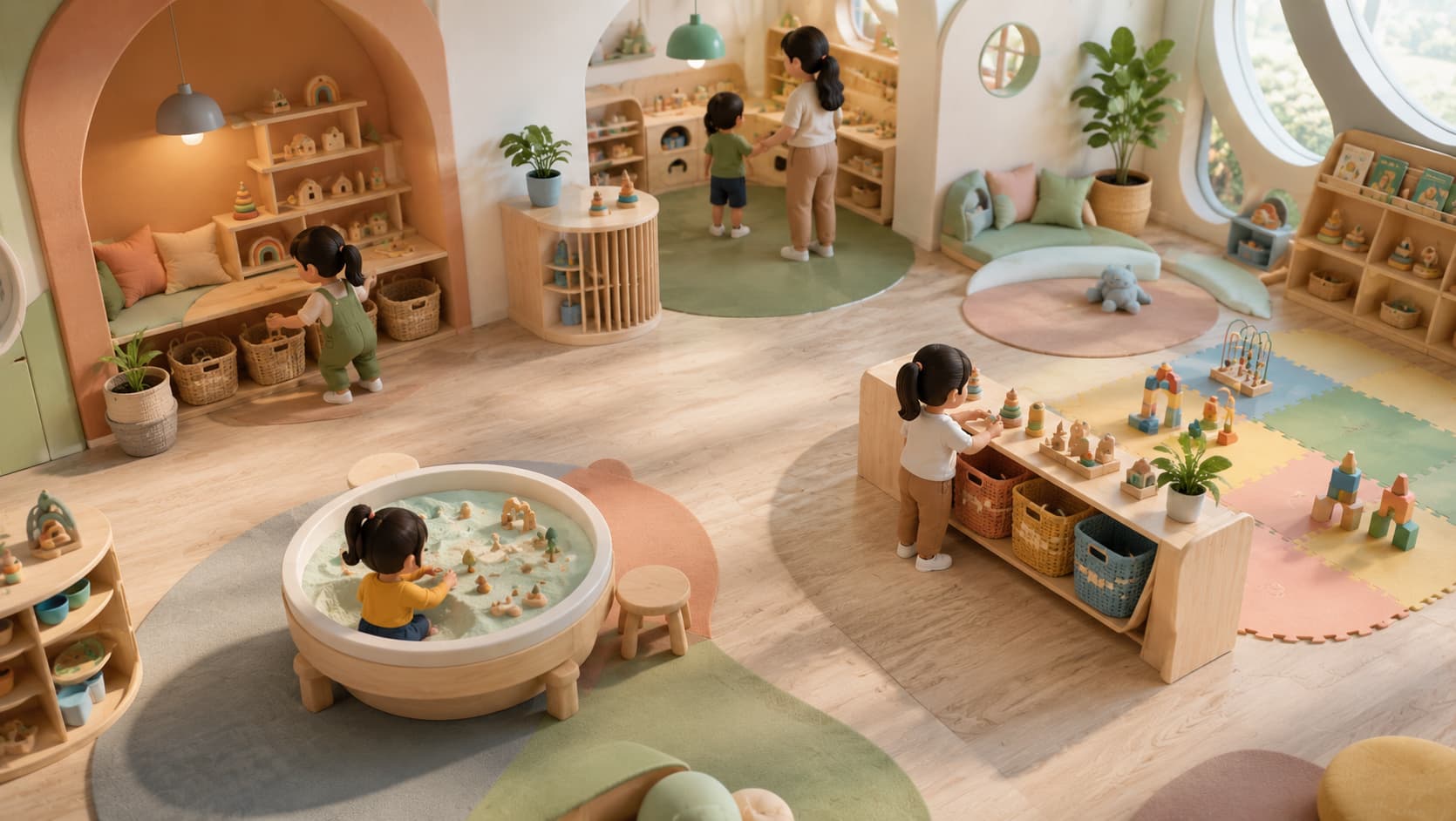
Preschoolers are still learning how to manage emotions, communicate needs, wait, share and follow instructions. That means tantrums, refusal, hitting, shouting or difficulty listening can sometimes be part of normal development. But repeated or intense behaviour deserves closer attention. The goal is not simply to stop the behaviour. It is to understand what is causing it and teach a more helpful response. This guide explains common preschool behaviour problems, their possible causes, and practical strategies parents and teachers can use at home and in the classroom.
Are Preschool Behaviour Problems Normal?
Some difficult behaviour is normal in preschool years, but persistent or severe behaviour should not simply be dismissed as a phase. Young children are still developing self-control and emotional regulation. Behaviour becomes more concerning when it is frequent, unsafe, worsening, or seriously affecting relationships, learning or participation in preschool.
The same behaviour can also have different causes. A child who refuses to follow instructions may be tired, overwhelmed, struggling to understand language, testing a boundary or finding the activity difficult.
What Are the Common Preschool Behaviour Problems?
Common challenging behaviour in preschoolers can include:
- Frequent tantrums and screaming
- Refusing to follow instructions
- Hitting, biting, kicking or pushing
- Throwing objects
- Interrupting or grabbing
- Difficulty sharing or taking turns
- Running away from activities
- Attention-seeking behaviour
- Arguing or saying “no” repeatedly
- Difficulty moving between activities
- Withdrawing or refusing to participate
A useful starting point is to describe what the child does, rather than labelling the child as “naughty” or “difficult.” This makes it easier to identify patterns and choose an appropriate response.
What Causes Behaviour Problems in Preschoolers?
There is rarely one universal cause. Challenging behaviour can be connected to temperament, communication difficulties, emotional stress, developmental differences, tiredness, overstimulation, frustration or problems with transitions. The American Academy of Pediatrics recommends looking at underlying needs rather than treating disruptive behaviour simply as deliberate misbehaviour.
Need for Attention
Children naturally seek connection with adults. If shouting, interrupting or misbehaving consistently produces a strong reaction, that attention can unintentionally reinforce the behaviour.
What to do: Notice positive behaviour frequently. Instead of only responding when a child disrupts the class, say, “I noticed you waited for your turn.”
Difficulty Expressing Feelings
A preschooler may feel angry, jealous, frightened or frustrated without having enough language to explain it. The emotion may therefore appear as crying, shouting, hitting or refusing.
What to do: Name the feeling and teach an alternative. Try, “You are upset because playtime ended. Tell me you need help.”
Lack of Predictability
Young children often cope better when they know what comes next. Sudden changes, unfamiliar activities or repeated transitions can trigger resistance.
What to do: Give advance warnings and maintain a simple routine. A visual sequence such as play → tidy up → snack → outdoor time can make transitions easier.
Tiredness, Hunger or Overstimulation
A child who is tired, hungry or overwhelmed by noise and activity may have less patience and self-control. This can make ordinary classroom demands feel much harder.
What to do: Look for patterns. If difficult behaviour regularly appears before lunch, after a long activity or during noisy transitions, adjust the environment or timing where possible.
Learning or Communication Challenges
A child may resist an activity because they do not understand the instruction or cannot complete the task easily. Communication or developmental difficulties can sometimes contribute to frustration and challenging behaviour.
What to do: Break tasks into smaller steps. Use simple language and observe whether the behaviour consistently occurs around particular activities.
Stress or Major Changes
Changes in family circumstances, separation, conflict or other stressful experiences can affect a young child’s behaviour. This does not mean parents are responsible for every behaviour problem. It means the child’s wider environment should be considered.
What to do: Offer predictable routines, reassurance and opportunities for connection. Speak with the child’s teacher if behaviour changes suddenly.
How to Manage Difficult Preschoolers in the Classroom
The most useful preschool behaviour problems and solutions focus on teaching rather than simply punishing. Children need clear boundaries, predictable responses and repeated opportunities to practise appropriate behaviour. Positive reinforcement and supportive adult relationships are important parts of this approach.
Give Clear, Simple Instructions
Preschoolers can struggle with long explanations. Get the child’s attention and give one instruction at a time.
Instead of saying, “Stop running around and disturbing everyone,” try:
“Please walk to the table.”
Then acknowledge cooperation immediately.
Tell Children What to Do, Not Only What to Stop
“Don’t grab” does not tell a child what to do instead. Give the replacement behaviour.
Try: “Ask for a turn.”
For hitting, teach: “Use your words or come and get me.”
This turns discipline into a learning opportunity.
Use Specific Positive Reinforcement
Specific praise tells children exactly which behaviour adults want repeated.
Instead of “Good job,” try:
“You put the blocks away when I asked. Thank you for helping.”
Positive attention can be especially useful when a child often receives adult attention only after misbehaving.
Prepare Children for Transitions
Moving from a preferred activity to another task can be difficult. Give a short warning before the change.
For example:
“Five more minutes of play, then we will tidy up.”
A consistent transition song, visual cue or classroom routine can make the change more predictable.
Respond Calmly to Aggression
If a child hits, bites or kicks, safety comes first. Calmly stop the unsafe action and separate children when necessary.
Once the child has settled, teach the alternative behaviour. Occasional aggression can occur in young children, but persistent aggression, injuries or serious safety concerns warrant professional advice.
Create a Calm Space
A quiet space can help a child regulate after becoming overwhelmed. It should not be presented as a place where “bad children” are sent.
Books, breathing prompts or a quiet activity can help children settle before returning to the group.
What If Preschoolers Are Not Listening to Teachers?
Not listening does not always mean deliberate disobedience. The child may not have understood the instruction, may be distracted, may dislike the transition or may need help completing the task.
Try this simple sequence:
- Move closer and get the child’s attention.
- Give one clear instruction.
- Use language the child can understand.
- Ask the child to show what they need to do.
- Praise cooperation.
- Follow through consistently.
If a child repeatedly struggles with simple instructions at both home and school, parents and teachers should discuss the pattern rather than simply describing the child as disobedient.
Positive Behaviour Strategies for Preschoolers at Home
Home and preschool do not need identical rules, but consistency helps children understand expectations.
Parents can:
- Keep a small number of clear family rules.
- Offer limited choices.
- Give advance warnings before changes.
- Praise helpful behaviour.
- Model calm communication.
- Avoid lengthy lectures during tantrums.
- Maintain predictable sleep and meal routines.
- Make time for play and positive attention.
Activities that allow children to practise independence can also provide useful opportunities for cooperation and concentration. See 50 Fun and Simple Preschool Activities for Learning at Home for ideas.
Building confidence and independence is also closely connected to how young children experience their learning environment. How Montessori Builds Confidence and Independence in Children explores this approach further.
When Should You Seek Help for Preschool Behaviour Problems?
Consider seeking professional guidance when behaviour is persistent, severe, unsafe or significantly interfering with everyday life.
Pay particular attention if:
- The child regularly hurts themselves or others.
- Aggression is becoming more frequent or intense.
- The child is repeatedly sent home from preschool.
- Behaviour prevents participation in normal activities.
- Difficulties occur consistently in more than one setting.
- There are additional concerns about speech, development, learning, attention or social interaction.
- Your family is struggling to manage the behaviour safely.
A paediatrician or qualified child-development or mental-health professional can help determine whether further assessment or behavioural support is appropriate. Early support can be useful when behaviour is significantly affecting a child’s development or relationships.
What Is Behavioural Therapy for Preschoolers?
Behavioral therapy for preschoolers often includes parents or caregivers because adults play an important role in shaping the child’s environment and responses. Evidence-based approaches can teach caregivers how to give effective instructions, reinforce appropriate behaviour, establish limits and respond consistently.
Therapy is not automatically necessary for ordinary preschool tantrums or occasional refusal. The decision should depend on the child’s behaviour, developmental needs and the impact on daily life.
How Can Parents and Teachers Work Together?
The best preschool behaviour problems and solutions often come from sharing observations instead of assigning blame.
When a problem occurs, discuss:
- What happened immediately before it?
- What exactly did the child do?
- How did adults respond?
- What happened afterwards?
- Does it occur at a particular time?
- What strategies seem to help?
For example, if a child becomes upset whenever outdoor play ends, the issue may be the transition rather than outdoor play itself. A warning and predictable transition routine may help.
A Montessori environment can also support independence through purposeful activities and child-centred learning. Cherubs Montessori describes its Bangalore programmes as providing hands-on experiences, routines and age-appropriate opportunities that encourage independence and confidence.
A Simple Behaviour Check for Parents and Teachers
| ASK | LOOK FOR |
|---|---|
| When does it happen? | Time, activity or transition |
| What happened before? | Trigger or unmet need |
| What did the child do? | Specific behaviour |
| How did adults respond? | Attention, limit or consequence |
| What happened next? | Whether the response changed the pattern |
| What helps? | Strategy that supports better behaviour |
This shifts the question from “Why is this child difficult?” to “What is this child communicating, and what skill can we teach?”
Common Mistakes to Avoid
Labelling the Child
Calling a child “bad” or “difficult” does not teach a replacement skill. Describe the behaviour instead and explain what you expect the child to do.
Giving Too Many Warnings
Repeated warnings without consistent follow-through can make instructions less effective. Give a clear direction and respond calmly when the child does or does not cooperate.
Focusing Only on Misbehaviour
If adults notice a child mainly when something goes wrong, positive behaviour can receive too little attention. Look deliberately for moments of cooperation, patience and kindness.
Expecting Adult-Level Self-Control
Preschoolers are still developing emotional regulation. Expectations should be age-appropriate, while boundaries remain clear and consistent.
Conclusion
Preschool behaviour problems are not simply about a child being “naughty.” They can reflect developing self-control, communication difficulties, frustration, stress, temperament or an environment that needs adjustment. Parents and teachers can help by setting clear expectations, using predictable routines, noticing positive behaviour and teaching children what to do instead. When behaviour becomes persistent, severe or unsafe, professional guidance is appropriate. For parents exploring early-learning options in Bangalore, the quality of the classroom environment matters too. Explore Why Montessori Schools in Bangalore Stand Out in Early Childhood Education when comparing preschool approaches.
Ready to explore a child-centred preschool environment in Bangalore? Visit Cherubs Montessori to learn about its early-learning programmes and campuses.
Frequently Asked Questions
Why do preschoolers act out in the classroom?
Preschoolers may act out because of frustration, difficulty communicating, transitions, overstimulation, tiredness, stress, developmental differences or difficulty with a task. The behaviour itself does not always reveal the cause, so patterns and triggers matter.
How do I deal with aggressive behaviour in preschoolers?
Keep everyone safe, calmly stop the unsafe behaviour and separate children when necessary. Once the child is calm, teach and practise an alternative such as asking for help or using words to express frustration. Seek professional guidance if aggression is persistent or causes injuries.
Is attention-seeking behaviour always a problem?
No. Wanting adult attention is normal. The goal is to teach children appropriate ways to seek connection while giving more positive attention to behaviours you want them to repeat.
What should I do if my child does not follow instructions?
Use one short instruction at a time, check that your child understands it and praise cooperation. If following instructions remains difficult across different settings, discuss the pattern with the child’s teacher and paediatrician.
When should I seek help for preschool behaviour problems?
Seek advice when behaviour is severe, persistent, unsafe or significantly affecting home, preschool or relationships. A professional can help determine whether the child needs further developmental or behavioural assessment.