


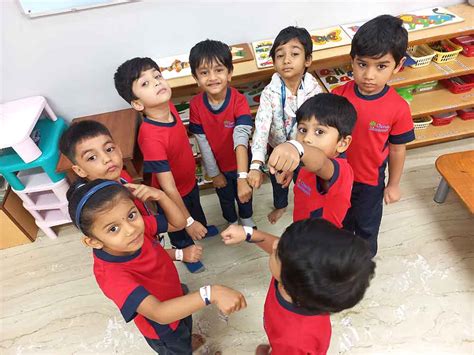
Choosing a preschool is one of the most important early decisions parents make for their child. In a city like Bangalore, where education is highly valued and options are plenty, parents often compare Montessori preschools and traditional preschools. While both aim to support early childhood learning, they differ in philosophy, teaching style, and how children experience learning. Understanding these differences can help parents choose the right environment for their child’s growth.
Montessori Preschools in Bangalore
Montessori preschools follow a child-centered approach to learning. Children are encouraged to explore activities independently based on their interests and readiness. Learning happens through hands-on materials that help children understand concepts clearly rather than memorizing information. This method supports curiosity, focus, and active participation from an early age.
Montessori classrooms often include mixed-age groups, which allow younger children to learn by observing older peers while older children develop leadership and responsibility. Children are given the freedom to work individually or in small groups, helping them build concentration, patience, and self-discipline.
Instead of pushing early academics, Montessori education emphasizes readiness and mastery. Children move forward only when they truly understand a concept, which builds confidence and a genuine love for learning. This calm and respectful environment appeals to parents who want a pressure-free and holistic approach to early education.
Traditional Preschools in Bangalore
Traditional preschools follow a more structured and familiar education model. Learning is teacher-led, with planned lessons, group activities, and a fixed daily routine. This structure helps children understand discipline, classroom rules, and time management.
There is a strong focus on early academic exposure, including alphabets, numbers, writing practice, worksheets, and assessments. Children usually learn together as a group and progress through the curriculum at the same pace. This approach can benefit children who enjoy routine, clear instructions, and guided learning.
Traditional preschools are widely available across Bangalore and are often more affordable. Many parents choose this option to ensure their child is well-prepared for primary schools that follow conventional education systems such as CBSE or ICSE.
Why This Choice Matters in Bangalore
Bangalore’s competitive education environment makes early learning choices especially important. Preschool education plays a key role in shaping a child’s confidence, learning habits, and school readiness. Areas like HSR Layout, Whitefield, and Indiranagar have seen rapid growth in Montessori schools as parents increasingly seek balanced development, emotional intelligence, and stress-free learning environments.
At the same time, traditional preschools remain a popular choice for families who prioritize academic structure, early milestones, and a smooth transition into formal schooling. The diversity of options in Bangalore means parents can choose an approach that best fits their child rather than following a single trend.
Conclusion
There is no single preschool system that works best for every child. Montessori education is ideal for children who enjoy exploring, learning independently, and developing at their own pace, while traditional preschools suit children who thrive in structured routines, group learning, and early academic guidance. In Bangalore’s dynamic education landscape, both approaches can prepare children for future success when chosen thoughtfully. By observing your child’s personality, learning style, and emotional needs, you can select a preschool that supports not only academic readiness but also confidence, curiosity, and a lifelong love for learning.