


What Kinds of Children Gain from a Montessori Education? (Comprehensive Guide)
Montessori education is based in a notion that children learn most efficiently when they get treated with trust, respect, and patience. essentially expecting every child to follow the same pace or type of learning, Montessori adapts the environment to suit each child’s individual needs. Many different types of learners can thrive with this adaptable and child-centered approach, but some kids grow in Montessori classrooms in particularly significant ways.
A closer look at the kinds of kids who typically do well in a Montessori classroom can be found below.
Kids Who Find Conventional Classrooms Difficult
Traditional classrooms frequently use teacher-led instruction, set seating arrangements, and rigid schedules. Some kids may feel overburdened or constrained by this structure, which can cause stress or low self-esteem. A novel substitute is provided by Montessori classrooms. Children don’t have to worry about being corrected all the time, so they can move around, choose activities, and work alone or with others. Children’s love of learning can naturally resurface when they feel safe, appreciated, and more self-assured.
Youngsters with Deep Interests and Strong Concentration
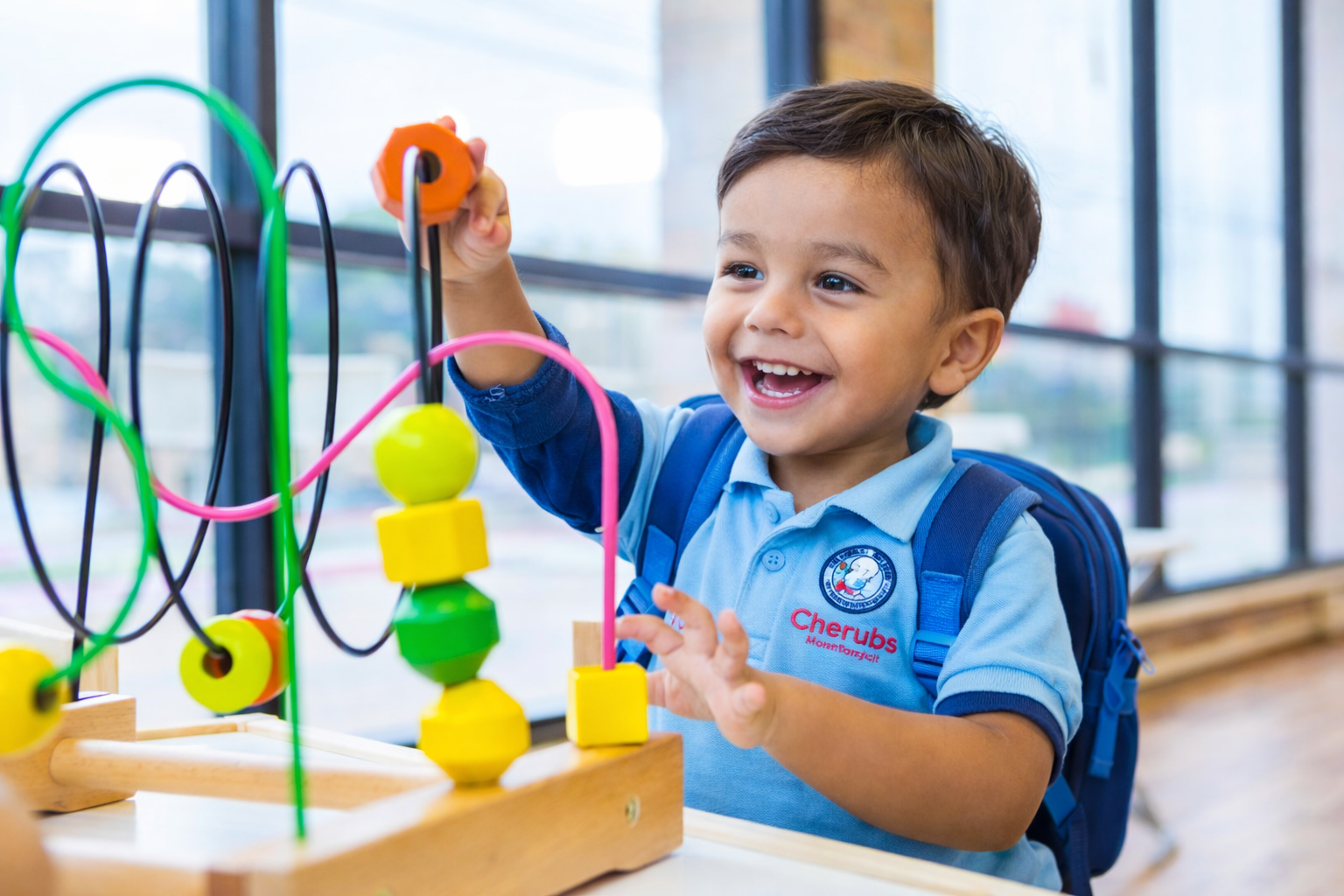
Some children naturally enjoy focusing deeply on activities they love. Long, uninterrupted work periods are encouraged by Montessori, allowing kids the time and room to fully explore their interests. Children are encouraged to keep going until they feel finished, whether they are reading, building structures, or using hands-on materials. This method improves critical thinking, patience, focus, and problem-solving abilities all of which are necessary for lifelong learning.
Children Who Learn at Their Own Pace
Every child’s individual development is respected in Montessori classrooms. There are no ongoing comparisons, grades, or rankings. Montessori is particularly helpful for both slower-paced learners and fast learners who seek challenges because children advance according to readiness rather than age. Children who need more study time feel encouraged rather than rushed, while advanced students remain engaged rather than bored. For every student, this balance increases motivation and self-assurance.
Children with Emotional Sensitivity
Calm, predictable surroundings are often necessary for highly sensitive kids to feel safe and at ease. With gentle communication and regular routines, Montessori classrooms are purposefully calm and courteous. Teachers guide children through conflicts with affection and encourage emotional awareness. Sensitive kids can participate and develop socially and emotionally in this supportive setting because they feel safe, understood, and self-assured.
Children Who appreciate Purpose and Responsibility
Montessori assigns kids worthwhile tasks like maintaining classroom supplies, tidying up after events, assisting classmates, and overseeing daily schedules. These activities are viewed as important contributions to the community rather than as chores. Through these experiences, children who are trusted and feel useful grow up to be independent, responsible, and have a strong sense of self-worth.
Kids Acquiring Leadership Capabilities
One of the main components of Montessori education is mixed-age classrooms. Naturally, older kids assume leadership roles by mentoring and supporting their younger peers. This peer-learning environment fosters empathy, communication skills, patience, and confidence. Children who take pleasure in mentoring others frequently flourish because they learn to lead with caring and empathy rather than strength.
Children Who Need Confidence Building
Rather than relying on rewards or punishment, Montessori focuses on effort, progress, and self-correction. Children are encouraged to learn through repetition and discovery without fear of making mistakes. Those who may struggle with confidence in traditional systems often become more emotionally resilient as they experience success at their own pace and learn to trust themselves.
Creative and Imaginative Thinkers
Instead of focusing on studying, Montessori materials aim to encourage curiosity and exploration. Children who enjoy creativity—whether through storytelling, building, experimenting, or imaginative problem-solving—benefit from an environment that values original thinking. Montessori promotes children’s freedom of expression, inquiry, and idea discovery.
Children Who Learn Best Through Real-Life Experiences
Practical life activities are a core part of Montessori education. Children learn coordination, independence, and responsibility through activities like pouring, organising, self-care, and problem-solving. Children who learn best by doing often show remarkable growth in confidence and practical skills through these hands-on experiences.
Further Academics What Montessori Teaches
Montessori education supports the development of essential life skills, including:
* Strong decision-making abilities
* Understanding and emotional intelligence
* Self-control without outside pressure
* Consideration for other people and the environment
* A lifelong love for learning
These abilities train kids for life outside of the classroom as well as for school.
Conclusion
Children who are interested, self-reliant, sensitive, imaginative, considerate, or who just need the freedom to develop in their own way will benefit most from a Montessori education. Education becomes enjoyable rather than stressful when it is in line with a child’s natural rhythm.
Montessori doesn’t just teach children what to learn it teaches them how to learn, explore, and achieve success.
Also Visit: https://cherubsmontessori.com/cherubs-sompura/