

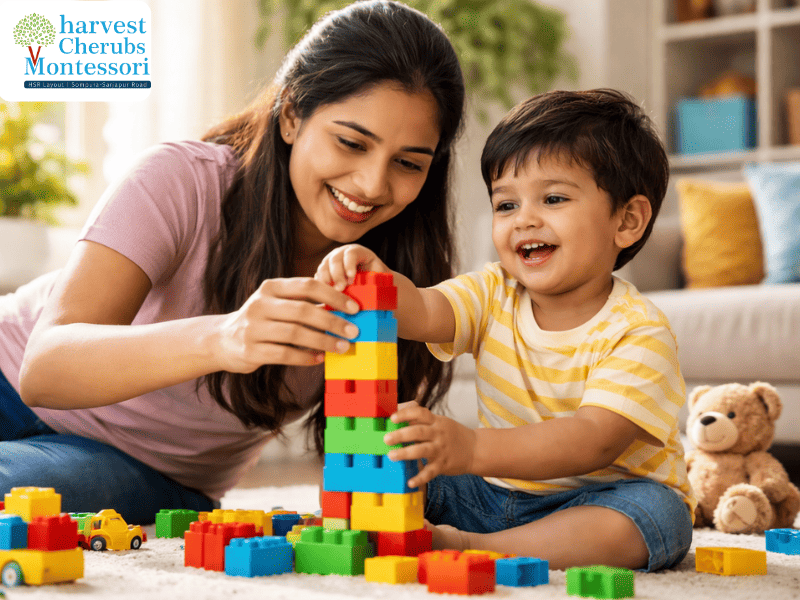
In today’s digital world, television has become a part of everyday life. From cartoons to educational shows, toddlers are exposed to screens at a very early age. Many parents use TV to keep their children engaged or entertained.
However, understanding the effects of watching TV on toddlers is important for every parent today. While TV can support early learning, too much screen time for toddlers can affect their physical, emotional, and cognitive development. Finding the right balance is key.
Why Parents Should Monitor Screen Time
Parents play a key role in managing the amount of screen time their toddlers get. Without proper monitoring, children may develop unhealthy habits that affect their growth and behavior.
Following proper toddler screen time guidelines helps ensure safe usage.
How TV Affects Your Child’s Emotional Development & Creating a Healthy Balance
Understanding how TV affects child development is important for every parent, as it influences both learning and behavior. Excessive screen time can lead to poor focus, reduced physical activity, and delayed development.
1. Lack of Physical Activity
2. Takes Away Valuable Time
3. Affects Brain Development
4. Attention and Focus Issues
5. Exposure to Inappropriate Content
6. Aggressive Behavior
7. Impacts Social Development
8. Creates Unrealistic Expectations
1. Lack of Physical Activity
When toddlers spend too much time in front of the TV, they naturally move less. Instead of running, jumping, or playing outside, they sit in one place for long periods. Over time, this can affect their physical growth and energy levels.
Also Read – Why Physical Fitness Matters in Preschool
2. Takes Away Valuable Time
Screen time often replaces important moments like talking with parents, playing with siblings, or exploring things around them. These daily interactions are actually where most real learning happens. Once that time is gone, it’s hard to replace.
3. Affects Brain Development
At an early age, a child’s brain develops through hands-on activities and real-world experiences. Too much TV reduces those active learning moments. I’ve seen kids who can recognize cartoon characters easily but struggle with basic problem-solving in real situations.
4. Attention and Focus Issues
TV shows change scenes very quickly, which can train a child’s brain to expect constant stimulation. Because of that, simple tasks like sitting quietly, listening, or focusing on one activity become harder. This can affect them later in school.
5. Exposure to Inappropriate Content
Not all content is designed for toddlers, even if it looks colorful or fun. Sometimes children pick up words, actions, or behaviors that aren’t suitable for their age. And honestly, kids don’t always understand what’s right or wrong—they just copy what they see.
6. Aggressive Behavior
Children are natural imitators. If they watch characters shouting, hitting, or behaving badly, they may try to repeat it in real life. It might seem harmless at first, but repeated exposure can slowly shape their behavior.
7. Impacts Social Development
When screen time increases, interaction with people decreases. Toddlers learn communication by talking, listening, and reacting to others. Without that, their social and emotional skills don’t develop properly.
8. Creates Unrealistic Expectations
TV often shows an exaggerated version of reality—everything looks perfect, fast, and exciting. Toddlers may start expecting real life to be the same, which can lead to frustration when things don’t go their way.
There are some benefits of watching TV for kids when used in moderation.
Watching TV in moderation can support learning when the content is educational and age-appropriate. It can help toddlers learn, think, and stay engaged in a meaningful way.
- Educational Content
Teaches basics like numbers, colors, and shapes in a fun way. - Boosts Thinking Skills
Interactive shows encourage children to think and respond. - Keeps Them Engaged
Helps keep toddlers occupied for short periods when needed. - Stress Relief
Calm shows can help children relax and feel comfortable. - Exposure to Different Cultures
Introduces new languages, traditions, and lifestyles. - Better Learning Readiness
Supports early learning before starting preschool. - Improves Creativity
Stories and visuals encourage imagination and ideas. - Enhances Language Skills
Helps children learn new words and communication patterns.
Lorem ipsum dolor sit amet, consectetur adipiscing elit. Ut elit tellus, luctus nec ullamcorper mattis, pulvinar dapibus leo.
The Influence of Advertisements on Toddlers
Ads can influence children’s behavior and create unnecessary desires. Parents should explain ads and teach kids the difference between reality and marketing.
TV influences how toddlers think and feel. Positive shows can teach kindness and empathy, while fast or aggressive content may lead to fear or copying negative behavior. Since children often imitate what they see, parental guidance becomes really important.
I’ve seen kids pick up words or actions from cartoons without even realizing it—it happens faster than we expect. That’s why managing what they watch matters just as much as how long they watch.
A simple, balanced routine can make a big difference:
- Limit daily screen time
Helps prevent over-dependence on screens and keeps children active and engaged in other activities. - Choose age-appropriate content
Ensures children are learning positive behavior and not exposed to harmful or confusing content. - Practice co-viewing
Watching together allows parents to guide understanding and correct behavior when needed. - Set a consistent routine
Creates structure and helps children know when it’s time to watch and when it’s time to play. - Set fixed screen time
Helps children understand limits and prevents overuse. It also builds discipline over time. - Encourage outdoor play
Physical activity allows kids to express emotions naturally and stay active. It builds confidence and social skills. - Mix learning and fun
Combine screen time with activities like drawing, puzzles, or storytelling. Kids learn better when they actively participate. - Watch together and discuss
Talking about what they watch improves understanding and emotional learning while strengthening bonding.
Tips for Healthy Screen Time for Toddlers
Managing screen time for toddlers in a balanced way is important for healthy growth. Small changes in daily habits can make a big difference in your child’s development.
- Keep screen time under 1 hour daily
Limiting usage helps prevent over-dependence on screens and keeps children active. Short, controlled time is always better than long exposure. - Always choose educational content
Go for slow-paced, age-appropriate shows that teach something useful. Avoid fast or aggressive content that can affect behavior. - Avoid screens before bedtime
Screen exposure before sleep can make it harder for children to relax. A calm routine like storytelling works much better. - Encourage physical and creative play
Activities like drawing, building, or outdoor play help children learn and grow in a more natural way.
Also Read – How Montessori Builds Confidence and Independence in Children
Screen-Free Alternatives
Reducing screen time is important for a toddler’s healthy development. Instead of relying on screens, simple everyday activities can keep children engaged while supporting their learning and growth.
- Outdoor Play
Playing outside helps improve physical matters, coordination, and energy levels. It also allows children to explore their surroundings and build confidence naturally. - Creative Activities
Activities like drawing, painting, and building encourage imagination and self-expression. Kids don’t just stay busy—they actually create something, which boosts confidence. - Reading and Puzzles
Storybooks and simple puzzles improve thinking, focus, and problem-solving skills. These activities also help in language development and understanding.
You can also try fun preschool activities at home to reduce screen time in a more engaging way. Small changes like these make a big difference over time.
Conclusion
Watching TV can have both positive and negative effects on toddlers, depending on how it is used. Limiting screen time and choosing the right content helps support healthy development while avoiding negative impacts.
At Cherubs Montessori, children learn through play-based activities, creativity, and real interactions instead of screens. This balanced approach supports their overall growth.
Understanding the effects of watching TV on toddlers helps parents create a healthy and balanced routine.
In the end, real-world experiences, not screens, play the biggest role in a child’s development.
FAQs
How much screen time is safe for toddlers?
Experts recommend limiting screen time to about 1 hour per day with proper supervision.
What are the main negative effects of TV on toddlers?
Reduced physical activity, attention issues, and delayed development are some common effects.
What type of TV content is suitable for toddlers?
Educational, slow-paced, and age-appropriate content is best.
Why is co-viewing important?
Watching together helps parents guide children and improves bonding.